Shipping economics
UPS Shipping Cost Calculator
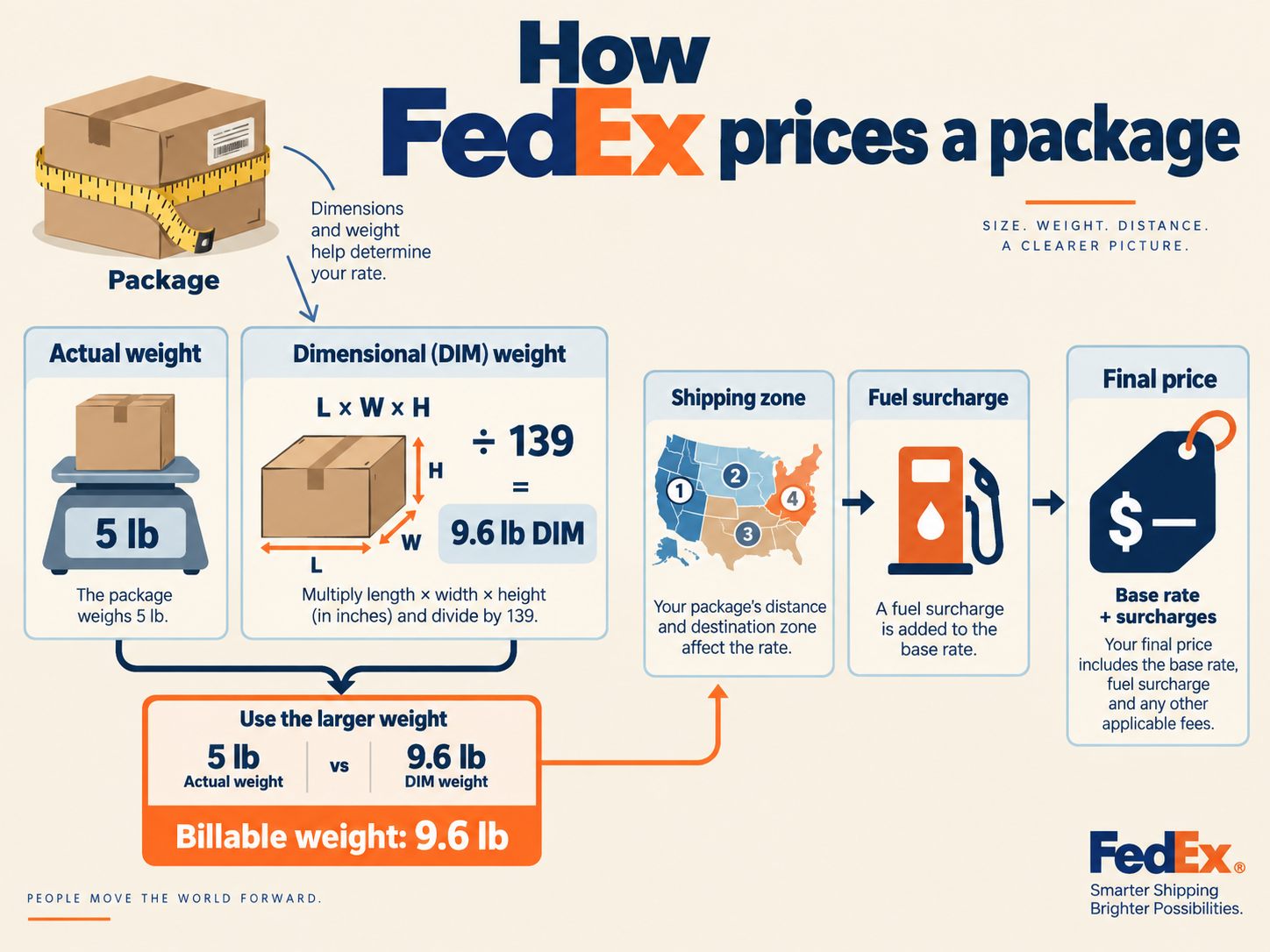
UPS bills on billable weight — actual or dimensional, whichever is greater — with a ÷139 DIM divisor and zone-based pricing. Model your cost before you buy the label.
What does this tool do?
UPS Shipping Cost Calculator computes the result directly in your browser — UPS bills on billable weight — actual or dimensional, whichever is greater — with a ÷139 DIM divisor and zone-based pricing. Model your cost before you buy the label. Nothing you enter is uploaded or stored.
Reviewed by BoringToolsKit · September 1, 2026 · Example rates, editable — not carrier quotes.
How the estimate works
Cost ≈ base rate (billable weight) × zone multiplier × (1 + fuel surcharge %) + extras (residential, signature, declared value). DIM weight = L × W × H ÷ 139 for daily rates.
Calculator
Estimated cost
-
Rate tables below are editable example defaults for modeling, not carrier quotes. Actual prices vary by negotiated rates, surcharges, and season. Confirm final cost with the carrier before shipping.
Example Ground rates (editable)
| Billable weight | Zone 2 | Zone 5 | Zone 8 |
|---|---|---|---|
| 1 lb | $11.20 | $13.05 | $15.40 |
| 5 lb | $13.60 | $16.90 | $20.75 |
| 10 lb | $16.85 | $21.40 | $26.90 |
| 20 lb | $23.10 | $30.20 | $39.10 |
Example daily rates for modeling; your negotiated rate card likely differs. Verify on ups.com.
Formula and assumptions
Total ≈ base (billable row) × zone multiplier × (1 + fuel %) + extras. UPS DIM divisor 139 (daily rates). Residential surcharge, delivery area surcharge, and declared-value fees are extras you enter directly.
UPS Shipping Cost Calculator questions
What is the UPS dimensional weight divisor?
For daily rates UPS uses 139 (inches³ per pound). Retail rates may use 166. Billable weight is the greater of actual and DIM weight.
Why is my UPS bill higher than the base rate?
Fuel surcharges (about 16-17% example), residential delivery, delivery area surcharges, and declared-value fees stack on top. Model them in the extras and fuel fields.
Is this an official UPS quote?
No — editable example rates for planning. Get the label price on ups.com.